Introduction
I still remember the excitement of opening my first box of building blocks — endless possibilities spread out before me. I thought I was just putting pieces together, but what I really built was a lifelong passion.
Building blocks aren't just simple toys; they are a blend of creativity, focus, and artistry. Whether you're just starting your journey or already have an entire wall of displays, building your ideal collection is a rewarding and inspiring experience.
In this guide, we'll explore how to select the right building blocks, how to store your pieces efficiently, how to display your creations with pride, and how to maintain your collection over time. Whether you're passionate about brick building, collecting building sets toys, or crafting your own unique world, you'll find practical tips and inspiration right here.
Selecting the Right Building Blocks
The world of building blocks is vast, and when I first started, I didn’t even know where to begin. Every set of building sets toys and every brick building style was so tempting, but finding the right building block for myself was the most important. I want to share some simple methods with you to help you choose the one that truly belongs to you.
Identifying Your Collection Interests
When I first started collecting building blocks, I often found myself overwhelmed by the sheer number of options. Every building set toy and every brick building style seemed to have its own unique charm. I tried many different styles at first, but gradually, I realized that it wasn’t about quantity—it was about finding the building blocks that truly sparked my interest.
The first step is to think about your own interests and passions. Are you drawn to cityscapes, or do you have a love for transportation and mechanical designs? Maybe you're fascinated by sets with unique details and innovative designs, or you’re more interested in real-life inspirations—modern buildings, classic transportation models, and so on. Each of these themes will give you a completely different brick building experience. Every set carries its own story, and it’s the ones that resonate with you that are truly worth collecting.
I had a similar experience myself. At first, I bought a few popular building sets toys just because others recommended them, but I quickly realized they didn’t really excite me. So, I started to pay closer attention to the specific styles I was drawn to. For example, I became particularly excited by sets with an industrial or futuristic design. Over time, I started to clearly identify the themes and designs I genuinely loved.
Once you know your interests, choosing the right building block becomes much easier. For example, if you love classic buildings or transportation models, brands like Wange and Mork are great choices—they focus on designs with historical and realistic appeal, with an emphasis on fine details. On the other hand, if you’re more into futuristic tech or mechanical models, brands like Cada with their racing cars or Funwhole’s cyberpunk series might be just what you need.
For me, the joy of collecting building blocks isn’t in the number of sets I own but in the sense of achievement and emotional connection each set brings. When your collection reflects your personal interests, it becomes more than just a hobby; it becomes a part of your lifestyle. Each set represents your passion for a certain theme, and that passion is what keeps you motivated to grow your collection.
If you're still unsure of your interests, that's okay. By trying out different building sets toys, you'll eventually discover the styles that resonate most with you and find the perfect direction for your collection.
Selecting the Right Brand and Theme
Choosing the right brand and theme is a significant step in building your ideal collection of building blocks. Each brand has its unique style and focus, so finding the one that aligns with your personal interests makes the entire collection process more enjoyable and fulfilling.
Mould King is a brand worth considering, especially for those who enjoy challenges, intricate details, and complex designs. Their building block sets focus on precision structures and dynamic designs, making it ideal for those interested in architecture and mechanical models. For example, Mould King’s building sets and engineering series are packed with intricate details and architectural marvels, offering a truly satisfying building experience that feels like constructing a real-world project.
Pantasy, on the other hand, is perfect for those who love themed collections, especially when it comes to popular IP collaborations. If you’re a fan of Garfield, The Little Prince, or Moomin, Pantasy’s sets are sure to grab your attention. The brand partners with these beloved IPs, bringing characters and scenes to life with building sets toys that allow you to connect emotionally with your favorite stories. The building blocks are not just about construction; they’re about reliving childhood memories and embracing the creative designs Pantasy brings to the table.
Guly specializes in car models, making it an excellent choice for car enthusiasts. If you love high-performance cars, Guly’s building blocks, such as models of Ferrari, Lamborghini, and McLaren, are ideal. These building block sets offer realistic designs and details that will captivate any car lover. With every piece, you can create your dream car, and experience the thrill of brick building at a whole new level.
Sluban is focused primarily on military-themed building blocks, making it perfect for those who enjoy military aircraft, tanks, and vehicles. Sluban’s sets are designed to replicate iconic military equipment, offering an immersive experience for collectors interested in military history and vehicles. Whether it's military planes or tanks, Sluban’s building sets toys provide a dynamic and educational experience for anyone passionate about military technology and history.
When choosing a brand, it’s essential to consider your interests. Whether you're into cars, films, architecture, or military gear, there’s a perfect building block brand for you. I found that the most fulfilling collections come from those that reflect my personal passions. It’s not about collecting for the sake of it, but about connecting with something meaningful. Each set you build becomes a story that adds to your journey as a collector.
From my experience, once you find the brand that resonates with you, the process of building turns into a rewarding and enjoyable experience. I’ve spent countless hours building sets from brands like Mould King, Pantasy, Guly, and Sluban, and each has given me a unique sense of accomplishment. It’s not just about having the pieces; it’s about creating something that sparks joy and satisfies your personal interests.
Balancing Collecting and Building
When I first started collecting building blocks, I often found myself torn between two things: should I focus on having a large collection, or should I dive deeper into each build and enjoy the experience? At first, I was all about the collection. Every time I saw a new building sets toy hit the market, I couldn't resist. The world of building blocks is huge, and the endless options sometimes left me feeling overwhelmed. I thought that owning more would satisfy my collecting urge. But over time, I realized that the true joy of collecting doesn't just come from accumulating pieces, but from the creative process and experience each building block offers.
Through this journey, I learned to appreciate the act of brick building itself, rather than just collecting for the sake of it. Early on, I grabbed every popular set I could find. But when it came time to build, I realized that some of those pieces didn’t inspire me. They didn't spark my creativity or bring me joy. That’s when I started reflecting on what building blocks really meant to me.
I began to pay more attention to what I truly loved in brick building. I stopped focusing on "buying every new release" and started choosing sets that inspired me. Whether it was classic architecture, intricate mechanical designs, or complex vehicle models, I realized every set had its unique charm. The process of choosing became more about my personal interests and preferences, not just the latest trends.
While building, I also began to understand that the true joy comes from the sense of accomplishment that builds up over time. Instead of rushing to finish, I started to enjoy every step of the process. The feeling of taking scattered pieces and assembling them into a finished product was incredibly rewarding. Every build became a personal challenge, and with each small progress, I found more satisfaction in the act of building.
For me, the fun of collecting building blocks should be a balanced process. The act of collecting drives the desire to build, while the act of building adds depth to your collection. As I focused more on the enjoyment of building and creating, rather than simply amassing pieces, I found my passion for the hobby grew even stronger.
I know that sometimes we feel the need to show off a large collection of building sets toys, but the real love comes from paying attention to the details. Blocks are not just for display; they are tools for creativity, a way to express your imagination and skill. Finding that balance will not only keep your passion alive but will also make each build more meaningful.
So, if you’ve ever found yourself confused or lost between collecting and building, I believe finding that balance is an essential part of every collector's journey. Once you identify your interests and learn to enjoy the building block process, you’ll find fulfillment in every build, no matter how big your collection grows.
Setting a Purchase Budget
When I first started building my collection, one of the biggest challenges I faced was setting a budget. There are so many great building blocks and building sets toys out there, each more tempting than the last. It's easy to get caught up in the excitement and start buying without thinking about costs. But I quickly learned that having a budget is essential to avoid overspending and still enjoy growing my collection.
Creating a budget doesn’t mean limiting your fun; it's about being smart with your purchases. When I began collecting, I used to buy every new brick building set I saw. But soon enough, I realized I was spending too much and wasn’t always getting the value I expected from some sets. Setting a reasonable budget helped me focus on buying the sets that truly excited me, rather than just adding to my collection for the sake of it.
A good starting point is to figure out how much you're willing to spend each month. I found that by setting a monthly limit, I could be more strategic about the sets I chose. Instead of impulsively picking up building blocks on a whim, I took the time to research the best deals and thought about which sets would really fit my collection. This gave me a sense of control, and I felt much better about my purchases.
It's also helpful to keep in mind that not all building blocks are priced the same. Some sets might be more affordable, while others, especially limited editions or larger sets, might cost more. For example, a building set toy with intricate details or a rare theme can be pricier. So, I began to balance my purchases by mixing up lower-cost sets with more expensive, high-quality builds.
A budget also encourages me to be more patient and thoughtful. Instead of rushing into buying, I wait for discounts, sales, or promotions. This helps me save money while still adding unique sets to my collection. I've also found that setting aside a portion of my budget for special sets or hard-to-find items makes the entire process more exciting.
In the end, sticking to a budget helps me maintain a healthy balance between enjoying the hobby and staying financially responsible. It’s not about limiting the fun of collecting building sets toys; it’s about getting the most out of every purchase and building a collection I’m proud of without breaking the bank.
Storing Your Building Blocks
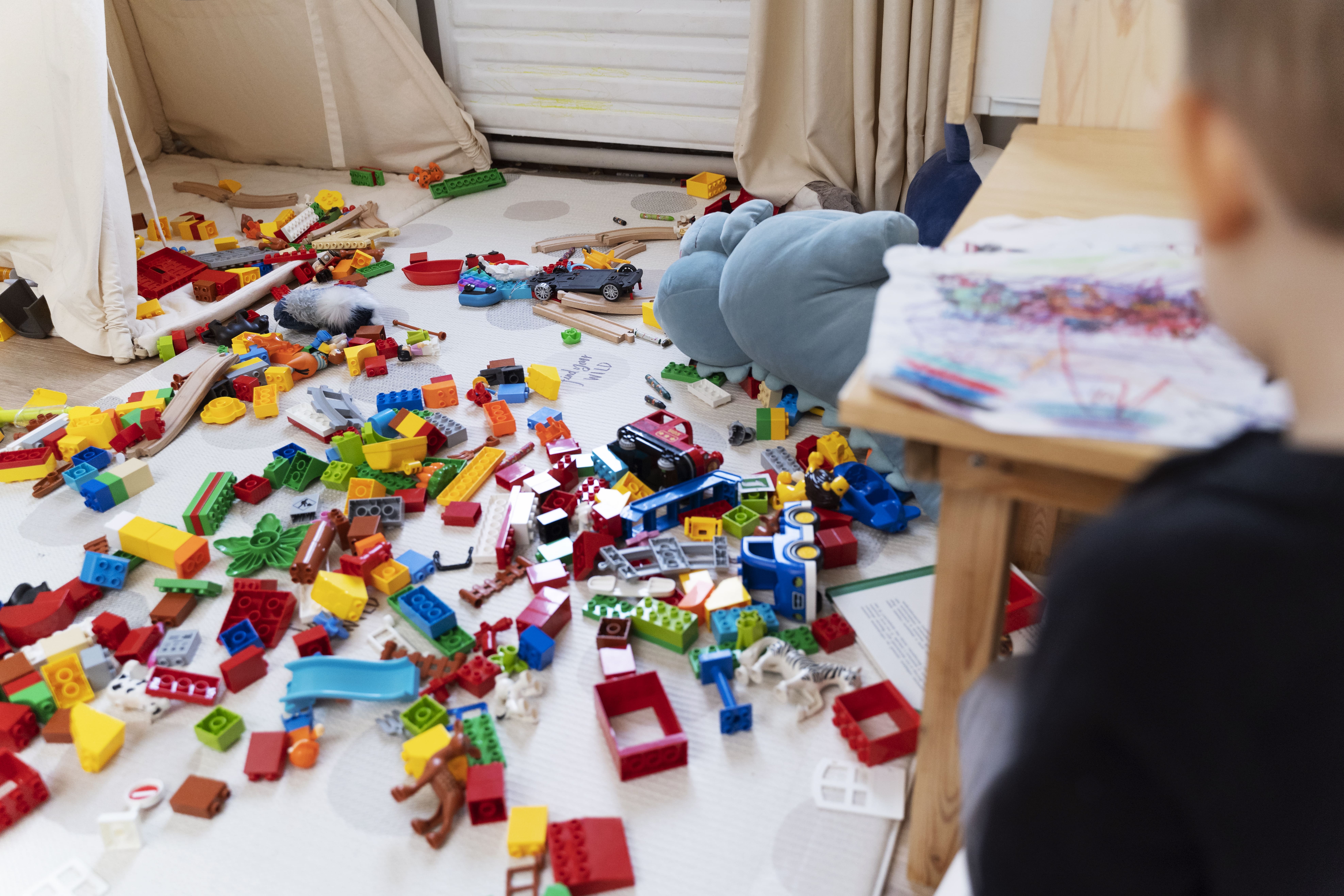
Storing your building blocks properly is something every collector will face. As your collection grows, finding the right storage solution becomes crucial. Each building block has its own value and creative potential, so storing them well not only prevents damage but also keeps your building sets toys organized. From my own experience, having the right storage method makes building easier and allows you to better showcase your collection.
Organized Storage: Efficient Systems for Your Collection
When storing building blocks, organizing isn’t just about keeping things neat. It’s about creating an environment that makes it easier to enjoy your collection and start new projects. From my experience, I’ve found that setting up a good system saves a lot of time and helps avoid unnecessary stress, especially as my collection grows. A well-organized space allows me to appreciate each set of building blocks better and gives me a clearer picture of what I have—especially when it comes to certain unique blocks or rare parts.
One of the smartest decisions I made was to use transparent storage boxes. I prefer clear containers because they let me see the contents without opening each box. This is incredibly handy when storing my building sets toys, whether it's a large set or small specialized blocks. The transparency allows me to quickly spot the parts I need, saving time digging through boxes.
But simply placing the blocks in boxes isn't enough. I started organizing my blocks by theme, size, and even brand. For instance, I place all my MouldKing sets in one box, while small parts and accessories from other brands like Funwhole or Sluban are kept in separate containers. This makes it easier for me to grab what I need during the building process.
For even more convenience, I use dividers inside larger boxes to separate tiny pieces like minifigures, wheels, or special accessories. This keeps everything organized and prevents the parts from mixing together. If I want to make it even quicker, I label each box to indicate its contents and brand. This way, I don't need to open each container to check what's inside, and I can save a lot of time.
Aside from storage boxes, shelving units are also a great choice, especially for sets that come with many parts. I’ve found that adjustable shelving works perfectly for storing these larger building block sets. Shelves are also great for keeping completed builds or large sets. Not only does this help keep everything tidy, but it also allows me to display my favorite creations.
The more I refined my organization system, the more I realized how fun the process of sorting and organizing can be. Although setting up the system takes some time, once it's in place, it greatly enhances my building experience. I no longer have to worry about losing pieces or dealing with a messy space. Instead, I can focus on what really matters—using my building blocks to create something amazing.
Ideal Storage Space and Environment
When it comes to storing your building blocks, it’s not just about finding an empty space—it’s about creating an environment that supports the growth of your collection. Personally, I’ve found that a well-thought-out storage space not only helps keep my building sets toys organized but also makes the whole process of enjoying my brick building collection much easier. For me, having a dedicated space makes it easier to maintain order while expanding my collection without causing clutter.
The first thing I consider is the amount of space available. If you’re like me and enjoy larger building blocks, having a spacious area becomes essential. I personally prefer to use a room or corner of my house where I can add shelves and storage bins without overcrowding the space. This area not only keeps the blocks organized but also provides a spot to display completed sets.
Temperature and humidity control are also key factors for me. I make sure my storage area isn’t too damp, as excess moisture could damage the building block pieces, causing them to warp or deteriorate. Keeping the room at a moderate temperature—neither too hot nor too cold—helps maintain the integrity of the plastic components of my building sets toys, preventing them from becoming brittle over time.
Lighting plays a significant role too. I like to have proper lighting in my storage area, so I can clearly see every detail of my building block sets when I’m assembling or sorting them. Adjustable lighting works best for me because it allows me to direct light to where I need it most. Good lighting doesn’t just make the building process easier; it also enhances the experience of displaying my completed brick building sets.
Protecting my building blocks from dust is always a priority. I use storage bins with lids to keep dust out, which helps maintain the cleanliness and condition of the blocks. For larger sets or completed models, I prefer displaying them in cabinets with glass doors. This not only allows me to showcase my completed works but also shields them from environmental factors like dust and debris.
Choosing the right storage space really makes a difference. Whether it’s a dedicated corner or an entire room for my growing collection, selecting the ideal storage area is crucial. I always ensure my building blocks and sets have a safe, tidy, and accessible place to be stored. This way, whenever I want to build or add new items, I can do so without hassle and with more enjoyment.
Piece Management Tips
When managing building block pieces, it's easy to feel overwhelmed, especially when you own multiple "building sets toys." To avoid the chaos and save time looking for parts, I've gathered some practical tips that have helped me organize my "building block" collection more efficiently.
- Categorize Pieces
One of the most effective tips I use is sorting pieces by size, shape, color, or function. For large “brick building” models, the number of parts can be huge and complex. Categorizing helps reduce the hassle of finding the right piece. I prefer using transparent storage boxes with adjustable dividers, which allow me to separate each type of piece. This way, every part has its own place, making it easy to find and preventing pieces from getting lost.、
- Label Everything
Whenever I organize my pieces, I always label each storage container with clear tags, specifying what kind of pieces are inside. For example, I might label a box “1x2 Bricks” or “Wheel Parts.” This small step saves me time because I can quickly identify the contents without needing to open the box. For me, labeling has been a game-changer when it comes to organizing my “brick building” sets.
- Regularly Check Pieces
For larger “building sets toys,” it’s important to periodically check your pieces to make sure everything is there. Before I start a new model, I always confirm that I have all the necessary parts. If something is missing, I make use of the replacement parts service offered by the brand. This helps me avoid unnecessary interruptions during the building process.
- Invest in Dedicated Storage Units
For larger collections, I recommend investing in a dedicated storage unit. I personally use a multi-drawer storage cabinet, where I organize my “building block” collection by brand or set. This method not only protects the pieces but also keeps them in an easily accessible location, which makes it much faster to find what I need.
- Display on Shelves
If you have several completed “brick building” models, displaying them on shelves is a great way to showcase your collection. This not only protects your models from damage but also lets you enjoy them as part of your decor. Clear display shelves allow you to view all your creations and make it easy to clean or rearrange them.
By following these simple tips, I’ve made my building block collection more organized, and the process of building and storing has become much easier. You can customize these methods to fit your own collection, saving time and making your “building blocks” organization more effective.
Protecting Your Blocks from Dust and Moisture
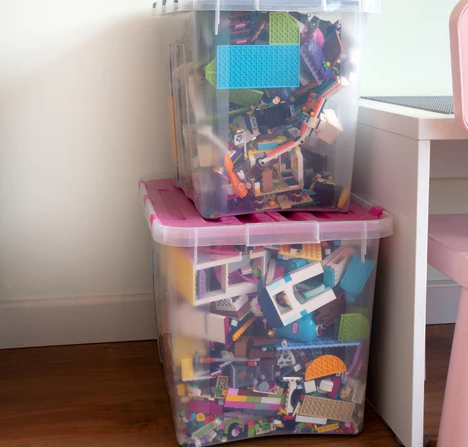
Keeping your “building blocks” safe from dust and moisture is one of the most important things you can do to preserve their quality. As a collector of “building sets toys,” I’ve learned the hard way that exposure to the elements can quickly damage your collection. Here are some tips I use to protect my “brick building” models and parts from these common threats.
- Use Storage Containers with Lids
For me, one of the best ways to protect my pieces is to store them in sealed containers. Clear plastic bins with secure lids work perfectly. I can keep all my “building block” pieces in one place, and the airtight seal keeps dust out. It’s a simple step that prevents dirt and moisture from settling in and potentially ruining parts over time.
- Keep Your Collection in a Dry Area
When choosing where to store your “building sets toys,” moisture is a big concern. I keep my collection away from bathrooms, basements, or any place that might have excess humidity. For me, a dry and cool area is key. Too much moisture can cause pieces to warp or degrade, and no one wants that for their “brick building” models.
- Use Dust Covers for Display Models
If you’re displaying your completed “building block” creations, dust can build up quickly. I found that using dust covers or display cases works wonders to keep everything clean. I prefer clear acrylic cases so I can still admire my “building blocks” while protecting them from dust and accidental damage. It’s an easy way to keep things neat without compromising the view.
- Avoid Direct Sunlight
Exposing your “building blocks” to direct sunlight can cause the colors to fade or even warp the plastic over time. I always make sure to store my collection away from windows or direct light. This helps maintain the integrity and vibrancy of my “building sets toys.” If you’re displaying pieces, make sure they’re placed where the sun won’t hit them for extended periods.
- Clean Regularly
Cleaning my “building block” pieces is part of the routine, but I do it carefully. I use a soft brush to remove any dust or dirt from the surfaces. For stubborn grime, I lightly dampen a cloth, but I never soak the pieces. Keeping my collection clean prevents dust buildup and ensures that moisture doesn’t stay on the blocks, which can lead to long-term damage.
By using these simple techniques, I’ve been able to keep my “brick building” collection in top condition. It’s all about protecting the pieces from the elements and preserving them for years to come.
Displaying Your Building Blocks
Displaying your collection of building blocks goes beyond just organizing and storing them. It’s about showcasing each unique creation and letting it shine. A well-thought-out display not only enhances the aesthetic appeal but also protects your building sets toys from dust and damage. Whether you’re proud of your latest brick building masterpiece or looking to add a personal touch to your space, the right display setup makes all the difference.
Choosing the Best Display Method
When you're ready to display your building blocks, it’s important to think about how each set will be showcased. I often find that the display method can completely transform how a collection looks. If you have space, shelves are an easy and accessible option for showcasing your favorite brick building sets. A few shelves, well organized, can give your collection a clean, organized look. You can even sort your building sets toys by theme or size, which helps in creating a more structured display.
For those who want to protect their sets, consider using display cases. These are perfect for keeping the dust and moisture away while still letting everyone see your creations. I’ve personally found glass-fronted cases to be an ideal choice. They let light shine through, highlighting the details of each building block, and they keep everything neatly in place. For larger collections, you can opt for custom-built cabinets or display shelves to ensure all your building blocks are visible.
If you don't have much shelf space, wall-mounted shelves or floating shelves are a great alternative. They use vertical space effectively and allow you to display several sets without taking up too much room. I’ve even seen people use shadow boxes or hanging frames to showcase smaller building sets toys, which can add a unique touch to any room.
In the end, it’s about making sure your collection is shown off in a way that reflects the care and creativity you’ve put into it. Whether it's through simple shelves, glass cases, or creative wall-mounted displays, there are plenty of options to suit your personal style. Remember to consider both function and aesthetics when making your choice.
Creative Displays to Add Personality
When it comes to displaying your building blocks, adding a personal touch can really make your collection stand out. I believe every set has its own story to tell, and showcasing them in a way that reflects your personality makes your collection feel more unique. Whether you’re into brick building or have a collection of building sets toys, there are many creative ways to show them off.
One fun idea I’ve used is creating scenes. Instead of just placing the building blocks on a shelf, I love setting them up in small dioramas. For example, if you have a collection of city-themed building blocks, you could arrange them in a mini city layout with streets, buildings, and even tiny figures. This adds a sense of life and movement to the display, making it more engaging. You could even use LED lights to highlight certain pieces and create a cozy ambiance.
If you prefer something a bit more minimalistic, try using floating shelves. The clean lines of floating shelves let your building blocks be the stars of the show, with nothing distracting from their design. I also think hanging shelves are a great option for displaying small to medium-sized sets. They don’t take up much space and create an intriguing visual element by letting the blocks "float" in mid-air.
For a more dynamic look, try grouping similar sets together. This could mean organizing them by color, theme, or size. I’ve found that matching sets or even complementary colors create a visually appealing effect that draws the eye. You could also place some sets on top of each other, creating layers and depth that add a bit of drama to the display.
Lastly, a great way to give your collection a personal touch is by using custom-designed display cases or cabinets. These cases can be fitted with adjustable shelves, allowing you to showcase each building block set exactly how you want it. I personally love the idea of using cabinets that are transparent but with a vintage or rustic frame to add some character. It gives the display an antique yet modern vibe.
Each display idea I’ve mentioned helps to make your collection feel more like a piece of art. Personal touches, whether through arrangement, lighting, or creative use of space, turn your building blocks into more than just toys—they become a part of your home’s personality.
Using Lighting to Enhance Your Displays
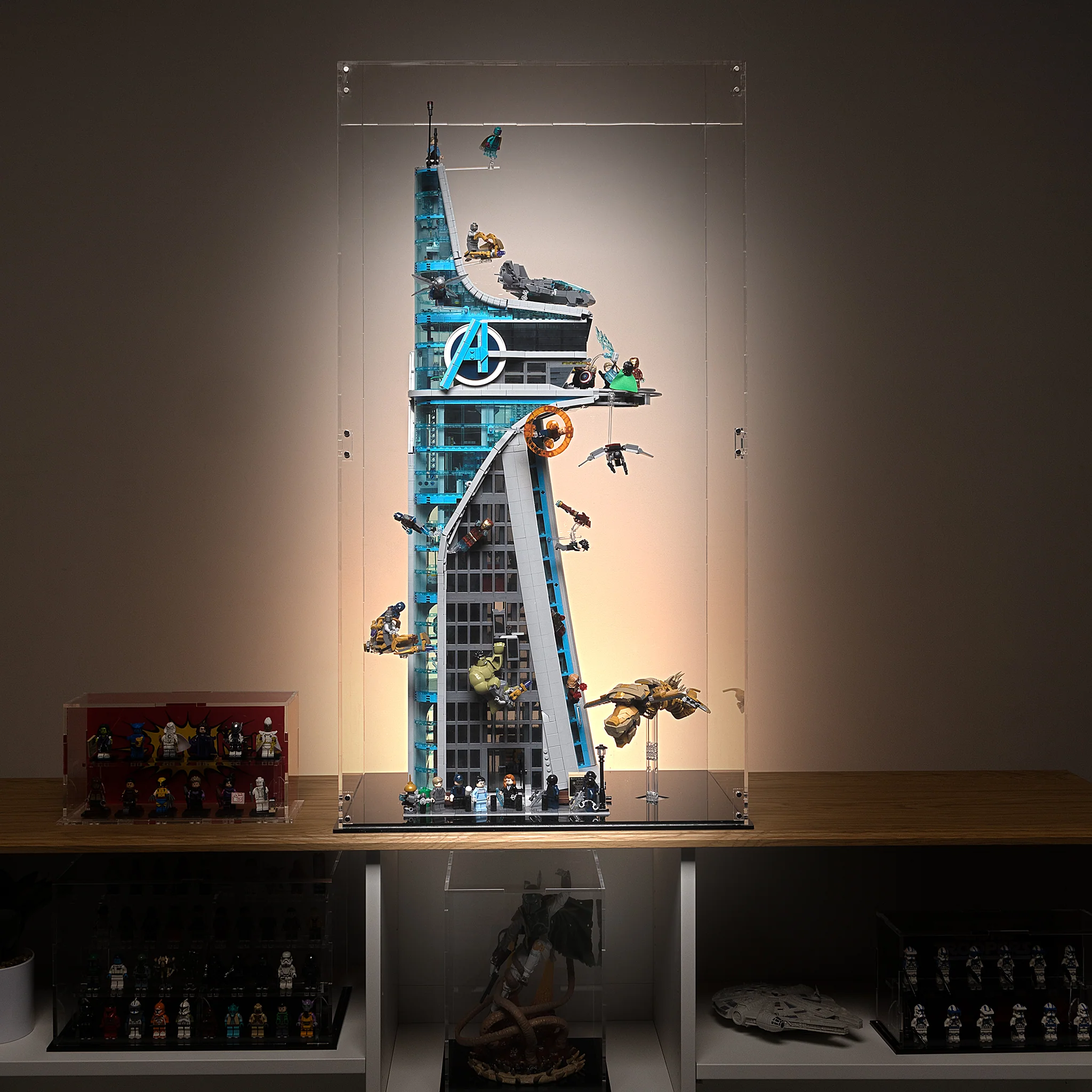
Lighting can transform your building blocks collection into something spectacular. It’s not just about illuminating your building block sets, but enhancing their beauty. For me, the right lighting can bring out the details of brick buildings or any complex building sets toys, turning a simple display into an eye-catching centerpiece.
I love using small spotlights or LED strips at the base of my display shelves. These lights can direct focus on specific building blocks, creating dramatic highlights that make the pieces pop. If you have a collection with intricate brick building designs, this type of focused lighting can emphasize those tiny details, which might otherwise go unnoticed.
Another option is to position soft ambient lighting above or behind your display. I find warm, diffused lights give a cozy vibe while ensuring even illumination across the entire collection. This approach works perfectly when displaying large building sets toys, making sure each building block, from small components to the larger, intricate designs, is clearly visible without harsh shadows.
If you’re showcasing special building block toys with unique features, try incorporating colored lighting. Colored lights can add a creative twist and draw attention to specific areas of your collection. For example, you could use soft blue lighting to highlight transparent parts of your building blocks or bright yellow light to focus on a particular section of your brick building models.
Lighting can also help set the mood. I personally enjoy using dimmer switches to adjust the brightness. Sometimes, I opt for lower brightness for a relaxed ambiance or turn the lights up when I want my collection to stand out for guests. The ability to control lighting makes it easy to tailor the atmosphere to suit different occasions.
Adding lighting to your display doesn’t have to be complicated. Even a simple lighting setup can make a big difference. In my experience, a well-lit display not only brings depth to your building blocks but also turns the showcase into a true focal point in any room.
Integrating Displays into Home Decor
When I first decided to incorporate my building blocks into home decor, I realized it's all about balance. Displaying my brick building sets isn't just about showcasing them; it’s about how they add personality to my space.
For a modern or minimalist home, a clean, clear display works wonders. Glass shelves or simple metal frames can highlight the details of your building sets toys without overwhelming the room. I personally like placing larger building blocks in a glass case where they’re the main focus. It keeps the display tidy and lets the intricate designs stand out.
For a more rustic or cozy feel, wooden shelves pair perfectly with the angular shapes of brick buildings. I’ve used reclaimed wood for a shelf to display a few of my favorite sets. The contrast between the blocks’ sharp lines and the warmth of the wood adds a nice touch of character.
Another fun idea is mixing your building blocks with other decor, like plants or art. I’ve created a corner with my building sets toys, framed pictures, and a few plants. It feels like the blocks are telling their own story alongside other elements in the room.
Lighting also makes a huge difference. I’ve found that a subtle LED light around my brick building sets brings out the details and gives them more dimension. It’s a small addition, but it really makes the display pop.
For smaller spaces, wall-mounted shelves are a great option. They save space and add an interesting visual element. I’ve displayed some mini sets on a floating shelf, and it looks elegant while still showing off the collection.
Integrating building blocks into your home decor isn’t just about displaying toys. It’s about making them part of your living space, adding personality and style to any room. Whether it's a grand brick building or a small set, how you display them can truly elevate your home’s atmosphere.
Maintaining Your Building Blocks
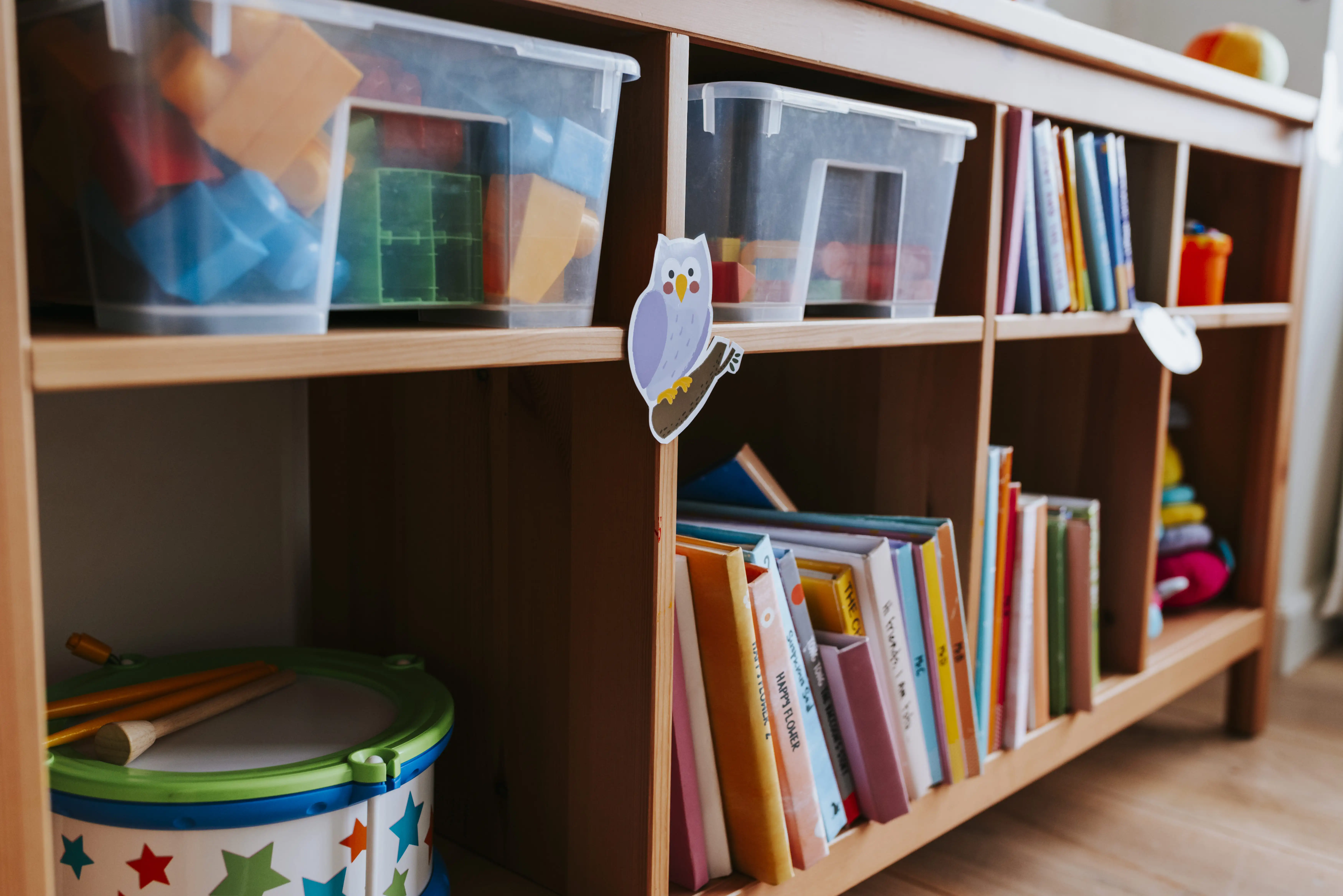
Building blocks, whether simple bricks or intricate building sets toys, need proper care to stay in excellent condition. I’ve learned that regular cleaning and thoughtful storage go a long way in preserving the quality of your collection. Keeping your building blocks free from dust and moisture not only helps with the longevity of the pieces but also makes future brick building projects easier and more enjoyable.
As your collection of building blocks grows, maintaining these sets becomes even more crucial. A little effort in upkeep will ensure that each piece remains in good shape, making it easier to complete new building sets toys or create more complex structures. Proper maintenance is the key to keeping your collection looking fresh and intact for years to come.
Block Cleaning Methods
Cleaning building blocks is a crucial task, especially when you have a large collection. Keeping them in top condition not only extends their lifespan but also ensures they look their best every time you display them. I personally follow a few steps when cleaning my building blocks to maintain their quality. These steps are simple yet effective, ensuring that I can keep my collection in excellent shape without any damage.
The first thing I do is check for any dust or dirt on the surface of my building blocks. For regular cleaning, I prefer using a microfiber cloth. Microfiber is gentle on the blocks and won't scratch them, but it effectively picks up dust. I wipe down each block carefully, making sure to avoid pressing too hard to prevent any damage to the surfaces or colors. If I encounter stubborn stains, such as grease or juice marks, I dampen the cloth slightly and add a small amount of mild soap, then gently wipe the block until the stain is removed.
If the blocks are covered in heavy dirt or more persistent stains, I opt for a soaking method. I place the building blocks in a basin with warm water and a little bit of dish soap, letting them soak for about 10 to 15 minutes. This softens the dirt, making it easier to clean. Then, using a soft-bristled brush, I gently scrub the blocks, especially in the joints and crevices where dust tends to collect. It's important to use a soft brush to avoid scratching or damaging the blocks.
For more delicate building blocks, particularly limited-edition or high-quality sets, I avoid using water. Instead, I use compressed air to blow off dust from the surfaces and crevices. I find this method works great, as it cleans out areas that are hard to reach with a cloth and doesn't harm the blocks. Compressed air can be particularly useful for small pieces in a building set toy that are tricky to clean with other methods.
Once cleaned, I always make sure to let the blocks dry properly. After washing, I dry off any excess water with a clean towel and leave them to air dry in a well-ventilated area. I avoid using blow dryers or heat sources, as these can cause the plastic to warp or lose color. Letting the blocks dry naturally is slower, but it ensures that the plastic remains stable over time.
For older building blocks that might have sticky residues or tough stains, I sometimes use a vinegar and water mixture. This solution can help remove sticky substances without damaging the blocks. When using this method, I apply it gently and avoid soaking the blocks for too long, as excess moisture could cause issues.
For blocks that have been on display for a while, especially those sitting on shelves, I pay extra attention to the back and crevices, where dust accumulates more. A cotton swab works wonders for cleaning these hard-to-reach areas. It fits perfectly into small gaps, allowing me to clean the fine details that are often missed during a general wipe-down.
Regular cleaning is essential to keep your building blocks in great shape. Even though these toys are built to last, they can suffer from accumulated dirt, grime, and humidity if not maintained. I believe that when you properly care for your building blocks, they'll continue to bring joy and inspiration for many years to come, whether you're showcasing them or using them for your next brick building project.
Regular Checks and Maintenance
Keeping your building blocks in top condition is something I take seriously. I always make sure to check my collection regularly to ensure everything is in the best shape. Over time, dust and dirt can accumulate, and sometimes, a piece might get damaged without you realizing it. By doing simple checks, I can keep my building blocks looking great and avoid any major issues later on.
One of the first things I do is inspect my building blocks for any signs of wear or damage. Cracks, chips, or loose pieces can happen over time, especially if the blocks are used frequently. When I notice any problems, I take care of them right away. If a piece is broken, I either try to fix it with a bit of adhesive that’s safe for plastic or look for a replacement. Keeping the blocks in their original shape is key for me, especially for rare or limited-edition building sets.
Another thing I check is how well the pieces fit together. Sometimes, a building block might not lock into place properly. If that happens, I make sure to clean out any debris or dust that may have gotten stuck in the connectors. It’s easy to miss these little things, but making sure that every block fits perfectly ensures that my brick building projects stay strong and stable.
If I’ve displayed my building blocks for a while, I also check to make sure they aren’t shifting or leaning. This can happen if the display isn’t secure enough, which could eventually cause pieces to fall or break. I like to move things around on the display and make sure everything is still in place. I also check if any blocks have become loose from being in one position for too long. A quick fix with some rearranging can often prevent a bigger problem.
I also pay attention to the storage environment. Excessive heat, humidity, or sunlight can affect the quality of the plastic. I make it a habit to check the storage area to ensure it’s in a good condition to protect my building sets toys. If I notice any signs of fading or warping on a piece, I know it’s time to adjust the environment. I prefer to store my blocks in cool, dry places away from direct sunlight to keep them looking fresh for longer.
Regular checks are a simple way to ensure that my collection stays in excellent condition. Taking the time to maintain my building blocks not only helps keep them in great shape but also lets me enjoy them for many years to come. Whether I’m working on a new project or just displaying them, these little efforts go a long way in preserving the integrity of my building block collection.
Checking for Part Damage and Wear
When I work with my building blocks, I always make sure to regularly check for any damage or wear. Whether it’s a large brick building model or a smaller set of building sets toys, these pieces can experience wear over time, especially with frequent handling. I’ve found that keeping an eye on the condition of each piece ensures that my collection stays in top shape for longer.
I tend to check a few specific areas when looking for damage:
- Cracks and chips:These can appear at the connection points or at the base of the pieces. Even tiny cracks can cause blocks to lose their stability, so I always make sure to inspect these areas. For minor cracks, I sometimes use a bit of adhesive to fix them, but if the damage is too severe, I simply replace the block.
- Loose connections: With repeated assembly and disassembly, some of the blocks might become a bit looser than they were when I first built the set. If I notice that a part is not connecting as securely as before, it can affect the whole structure, especially in large brick building models. In this case, I’ll check the parts and either replace or reposition them to keep everything sturdy.
- Surface wear: After some time, I’ve noticed that certain pieces, especially the ones that get a lot of use, can develop scratches or faded colors. This is particularly important for building sets toys that I display. I usually clean them with a soft cloth to avoid causing any additional damage, and if the surface wears too much, I consider replacing the part to keep my model looking fresh.
Another key thing I pay attention to is the stability of the connections. Some parts, especially those that are frequently moved or adjusted, might not stay as firmly connected as they did when I first built the set. If I notice any instability in my model, I’ll take a moment to check the parts and fix any loose connections. This helps keep my structures intact and prevents them from falling apart unexpectedly.
For the smaller pieces, like decorative accessories or tiny parts that come with certain sets, I make sure to handle them carefully. These pieces are easy to lose or damage, so I store them in small containers, keeping everything organized and intact. That way, I avoid losing crucial parts and ensure they’re always in top condition for when I want to rebuild or display them.
By regularly checking my building blocks for damage and wear, I’m able to maintain their condition and keep them ready for future building projects. It’s a simple process, but it makes a huge difference in the overall experience.
Repairing and Replacing Pieces
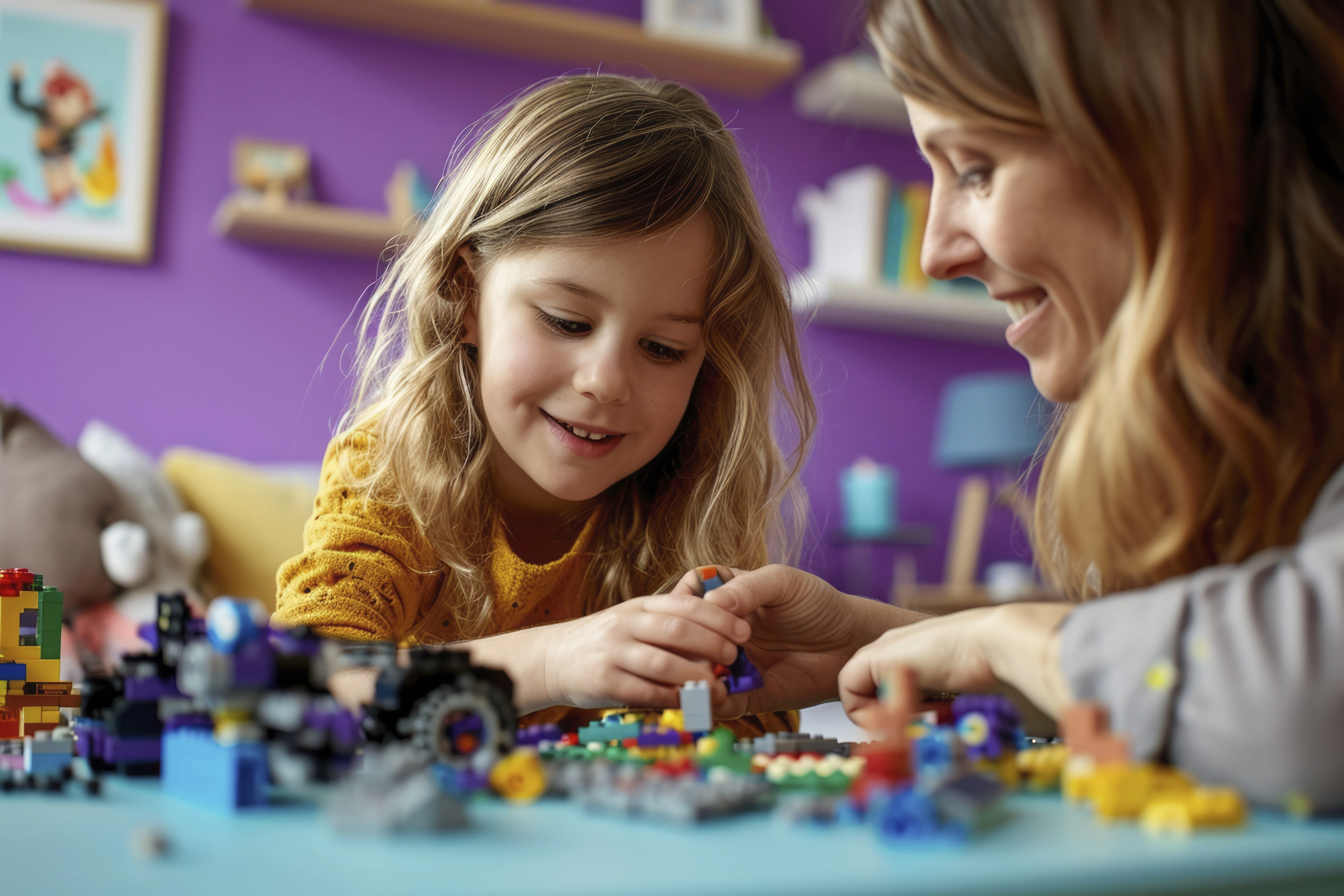
Repairing and replacing pieces is a crucial skill for anyone who collects building blocks. Over time, I’ve noticed that frequent handling and display can lead to damage or missing parts. Whether from accidental drops or the stress of assembly, a building block may break or get lost. Learning how to repair and replace these pieces has been essential for keeping my collection intact.
When it comes to minor damage, I usually rely on simple repair methods. For example, if a building block has a small crack or chipped corner, I use a non-toxic, fast-drying adhesive to seal the crack. I carefully apply the adhesive and press the pieces together, ensuring a solid bond. This method works well for most minor damages and doesn’t affect the appearance of the building block. Choosing repair materials designed specifically for building blocks is important, as it ensures the adhesive won’t damage the piece’s color or structure.
For more significant damage, replacing the piece is often the best option. Many building sets toys brands offer convenient replacement parts, making it easy to find a replacement for missing or damaged pieces. This is especially important for more detailed brick building models where every piece plays a crucial role. Even a single missing block can disrupt the overall appearance of the model. That’s why replacing damaged pieces quickly is essential to keep everything in top shape.
I’ve found that regular checks of my building blocks collection help catch small problems early on. By inspecting my models every now and then, I can spot potential issues before they turn into bigger problems. If I find a piece that’s slightly loose, I’ll tighten or replace it immediately. This is particularly crucial for large models with complex structures. A loose piece can affect the stability of the entire build, and I prefer to address this issue early.
For me, building blocks are not just about fun; they represent a commitment to creativity and attention to detail. Repairing and replacing parts allows me to keep the integrity of my pieces intact. I always aim for a perfect match when replacing a piece, ensuring that the model maintains its aesthetic and completeness. Even the smallest replacement matters when it comes to preserving the overall look and feel of the brick building.
By regularly repairing and replacing pieces, I can make sure my collection remains in top condition. It’s a responsibility I take seriously as a collector, and it’s my way of keeping each creation alive. Every time I restore a model to its original state, it feels like it’s been given a fresh life. This process brings me a sense of satisfaction and pride in maintaining my collection.
Conclusion
Every block, every piece of your collection tells a story. Whether you’re just starting or already have an impressive set of building blocks, the process of selecting, storing, and displaying them is a journey filled with creativity and endless possibilities.
As someone who has been passionate about brick building, I’ve come to realize that it’s not just about the final product but about enjoying the experience. Each building block has its own unique charm. Taking time to care for and maintain your building sets toys ensures that your creations stay in great condition, allowing you to appreciate your collection for years to come.
When it comes to displaying your building blocks, don’t be afraid to get creative. These pieces are more than just toys—they’re an expression of your personal style and creativity. By carefully curating how you showcase your building sets, you can turn any space into a conversation starter.
And remember, no collection is complete without regular maintenance. Checking for part damage and replacing pieces as needed is essential to preserving your brick building masterpieces. After all, a well-maintained collection not only looks great but also enhances your experience as a builder.
The world of building blocks is vast, and every set is a new opportunity for discovery. Whether you're collecting for the joy of building or as a personal hobby, every block adds to your ever-growing collection. Keep creating, keep building, and most importantly, keep having fun with your building blocks. Your journey is just beginning!
FAQs
How do I choose the right Building Blocks set for me?
Think about what themes excite you—city scenes, vehicles, or fantasy worlds. A great building block set matches your personal taste. Try a few different building sets toys to see which style makes you want to build more.
How should I store my Building Blocks to avoid losing or damaging pieces?
Use small boxes or labeled containers to sort by color or type. Storing your building blocks this way keeps every brick building piece safe and easy to find.
How do I clean my Building Blocks and keep them in good condition?
I rinse my building blocks in warm soapy water and dry them completely before storing. It helps every building set toy last longer and look better on display.
How can I display my Building Blocks in an attractive way?
Try shelves, wall-mounted cases, or DIY setups that match your room. A clean, open space shows off each brick building model and lets your favorite building blocks stand out.